The first Thanksgiving after a death is usually not ruined by the grief itself. It is the empty chair nobody mentions, the roles nobody has reassigned, and the moment everyone is bracing for. All of those can be planned for.
The clocks go back on Sunday and the evenings will close in fast. For grieving people the early dark often lands hardest, because the hours it takes were usually the shared ones.
You are allowed to skip Thanksgiving, shorten it, or change it the year someone dies. The hard part is the conversation. Here are words you can borrow for it, and how to handle the pushback.
Pregnancy and infant loss is bereavement without most of the markers that tell a community someone has died. The grief is real, the body grieves alongside the mind, and the silence around it is its own injury.
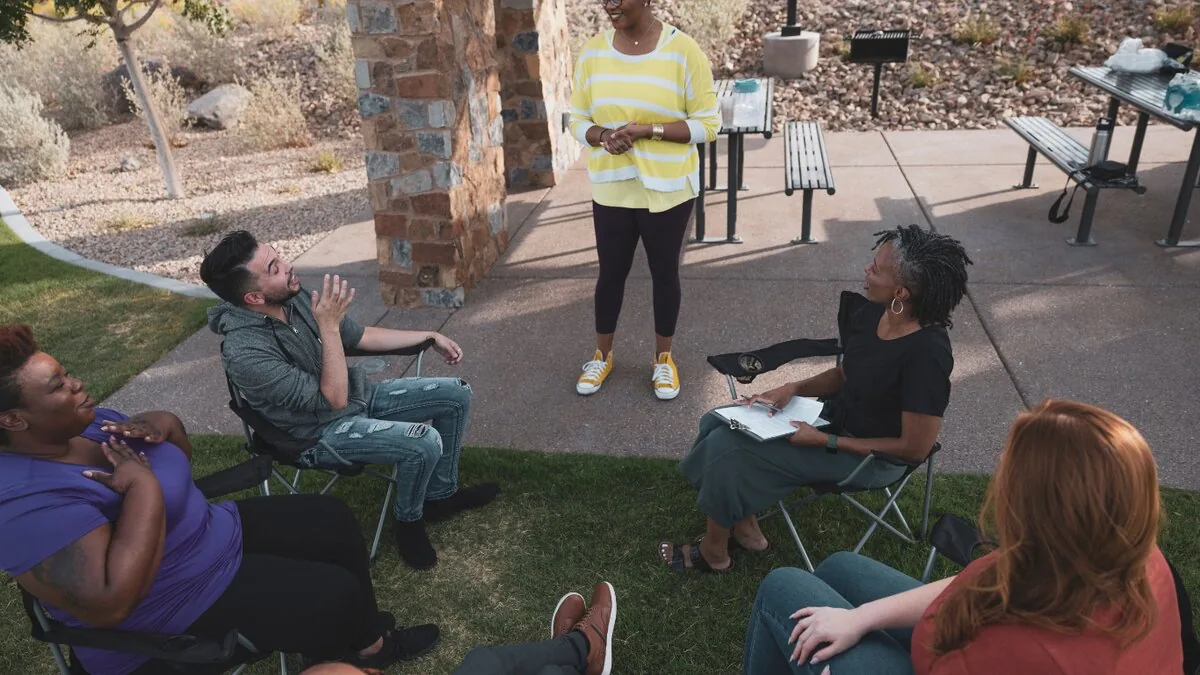
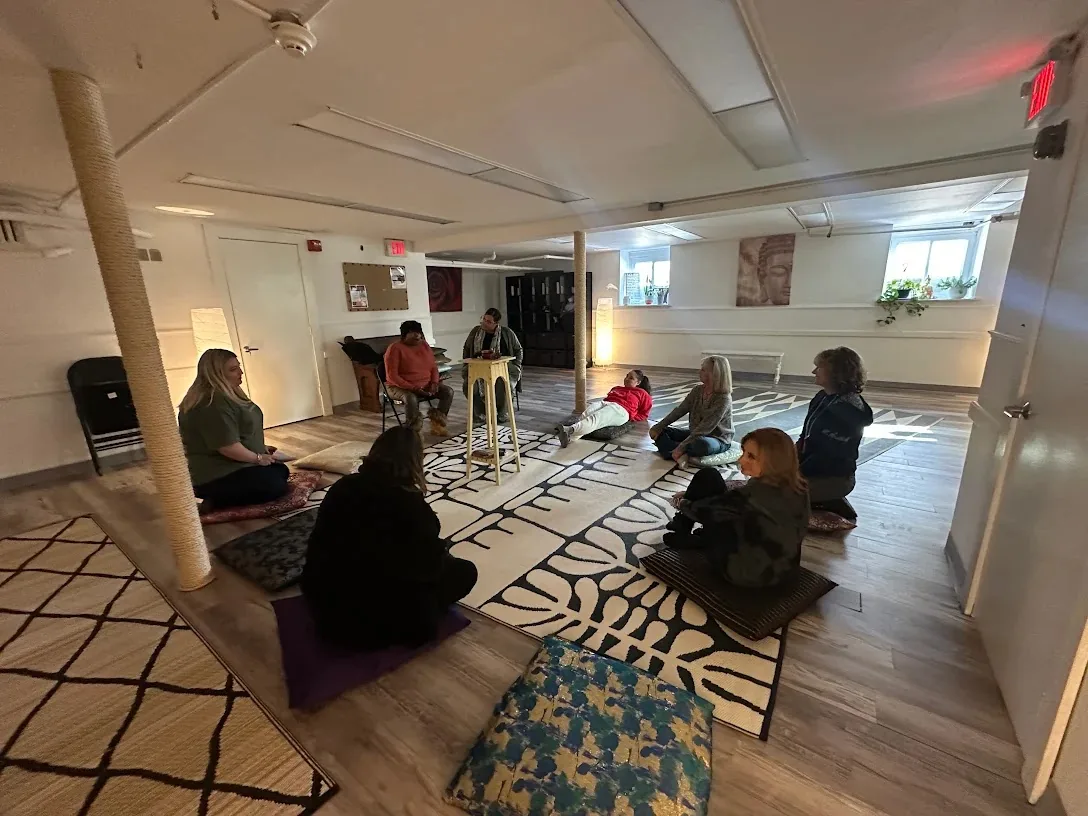
Teens grieve in bursts, behind closed doors, and often while protecting the adults around them. A new Teen Grief Support Group at Grief Unbound gives them a room with people their own age who get it.
You hold the schedule, the appointments and everyone else's feelings. Almost nobody asks how you are. A new Caregivers Support Group at Grief Unbound gives that grief somewhere to go.
The dread that arrives in October is not a sign you are grieving badly. It is anticipatory grief attached to a calendar, and for many bereaved people the buildup is harder than the day itself.
Most people brace for the date and are ambushed by the fortnight leading up to it. Here is why anticipatory dread does most of the damage, and how to make a plan that actually helps.
When a close friend dies you get no bereavement leave, no seat at the front, and nobody asking how you are. Here is why friendship grief is so isolating and what helps.
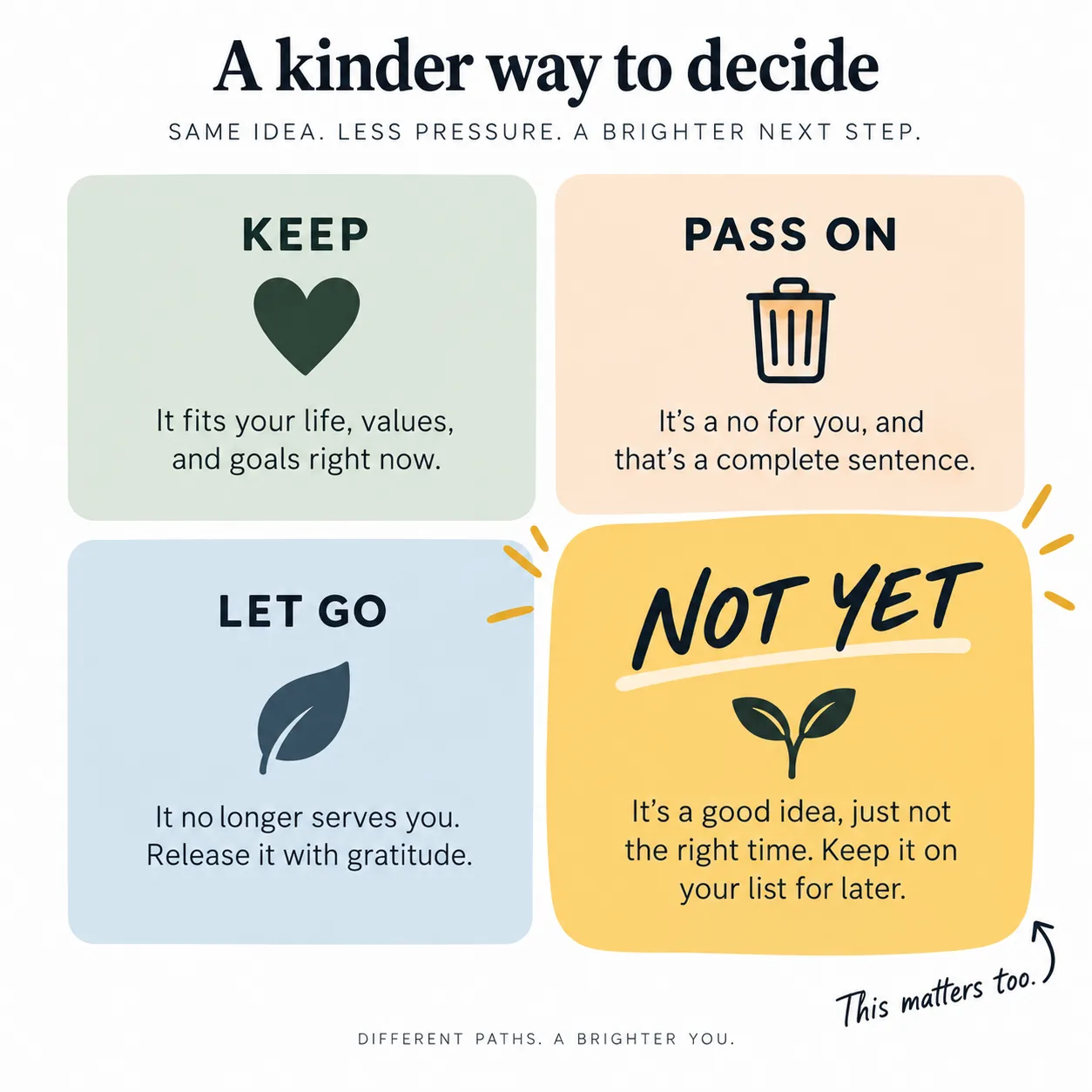
The clothes are still in the wardrobe and everyone has an opinion about it. Here is why sorting belongings is one of the hardest parts of grief, and how to approach it without deciding everything at once.
 Living With Grief